

The ebro Z014-A WATER is a dedicated lug type butterfly valve with nominal diameters from DN 20 to DN 600 and a maximum operating pressure of 16 bar. The valve delivers excellent sealing shutoff performance, complying with EN 12266 leakage rate A, and supports multi-standard flange connections including EN 1092 and ASME Class 150, with an operating temperature range of -40°C to +200°C. Featuring an EN ISO 5211 actuator mounting flange on top, it is ideally suited for media control and isolation in industrial water treatment system piping.
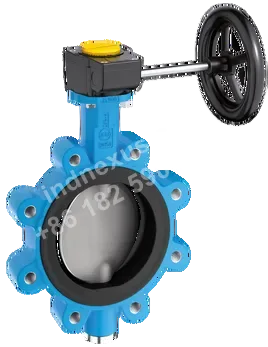
Z014-A WATER lug type butterfly valve product image
EBRO
Z014-A WATER Lug Type Butterfly Valve | EBRO
Product code: Z014-A-WATER
Lug type butterfly valve for media control and isolation in industrial water treatment system piping, with EN ISO 5211 actuator mounting interface support.
- Category
- Butterfly Valves
- Operating Temperature Range
- -40°C to +200°C (depending on pressure, medium and materials)
- Maximum Operating Pressure
- 16 bar
Specifications
- Nominal Diameter
- DN 20 - DN 600 (DN 20 only available in PN 10/16)
- Face-to-Face Length Standards
- EN 558 Series 20; ISO 5752 Series 20; API 609 Table 1
- Connecting Flange Standards
- EN 1092 PN 6/10/16; ASME Class 150; AS 4087 PN 16
- Flange Sealing Faces
- EN 1092 Form A / B; ASME RF, FF
- Actuator Mounting Flange
- EN ISO 5211
- Sealing Class
- EN 12266 Leakage rate A; ISO 5208:2015 Category AA
- Operating Standard
- EN 593
- Operating Temperature Range
- -40°C to +200°C (depending on pressure, medium and materials)
- Maximum Operating Pressure
- 16 bar
Application scenarios
Industrial Water Treatment System Piping Control
The Z014-A WATER lug type butterfly valve can be used for media control and isolation in water treatment system piping, with a maximum operating pressure of 16 bar, EN ISO 5211 actuator mounting flange support, and compliance with the EN 593 operating standard and EN 12266 leakage rate A requirements.
Selection points
Sealing Performance Meeting the Specified Leakage Rate
As specified in the product documentation, the sealing class complies with EN 12266 Leakage rate A and ISO 5208:2015 Category AA.
Multi-Standard Flange Connection Compatibility
The valve can be connected to flanges according to the EN 1092 PN 6/10/16, ASME Class 150 and AS 4087 PN 16 flange standards.
FAQ
What are the applicable diameters and maximum operating pressure of the EBRO Z014-A WATER lug type butterfly valve?
The valve covers a nominal diameter range of DN 20 to DN 600, where the DN 20 size is only applicable to PN 10/16. The maximum operating pressure is 16 bar. For actual selection, the piping pressure rating, medium and valve material conditions should also be verified.
Which flange standards can the Z014-A WATER lug type butterfly valve be combined with?
The product can be connected to EN 1092 PN 6, PN 10 and PN 16 flanges, ASME Class 150 flanges, and AS 4087 PN 16 flanges; the corresponding flange sealing faces include EN 1092 Form A/B as well as ASME RF and FF.
Which standards do the installation length and automation interface of the Z014-A WATER follow?
The valve face-to-face length complies with EN 558 Series 20, ISO 5752 Series 20 and API 609 Table 1; the actuator mounting flange complies with EN ISO 5211 and serves as the interface verification reference for manual operation or when configuring a matching actuator.
What is the sealing class of this butterfly valve, and is it suitable for applications with leakage control requirements?
The sealing class of the Z014-A WATER complies with EN 12266 Leakage rate A and ISO 5208:2015 Category AA. For projects that require evaluation of valve shutoff leakage performance, these standards can be used as technical verification references, confirmed in combination with the actual medium, pressure and temperature conditions.
What is the operating temperature range of the Z014-A WATER?
The operating temperature range of the valve is -40°C to +200°C. Temperature applicability depends on the operating pressure, conveyed medium and valve materials, so for high-temperature, low-temperature or applications with significant pressure variations, confirmation should be made according to the actual model and application conditions.