

The Neles M Series modular pocket feeder ball valve is a flanged ball valve featuring a full-port, seat-supported pocket feeder design and a 180° operating stroke. The valve is rated PN 10-16 / ASME 150, operates at temperatures from -50 to +250 °C, and includes flushing connections in the valve body cavity. It is suitable for chip chute circulation in continuous digesters and other junk-catching devices in pulp and paper applications, enabling the automatic discharge of sand and fine debris from the process.
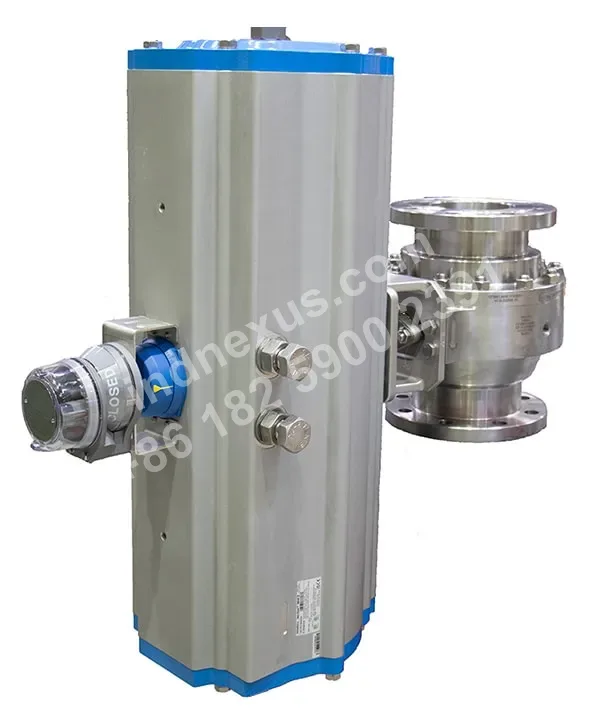
Neles modular pocket feeder valve
Neles
Neles M Series Modular Pocket Feeder Ball Valve
Pocket feeder ball valve for sand removal in pulp and paper processes, with valve body cavity flushing capability.
- Category
- Ball Valves
- Connection sizes
- DN 150, DN 200 / 6", 8"
- Pressure rating
- PN 10-16 / ASME 150
Specifications
- Valve design
- Full-port, seat-supported pocket feeder ball valve
- Connection type
- Flanged connection
- Operating stroke
- 180°
- Connection sizes
- DN 150, DN 200 / 6", 8"
- Pressure rating
- PN 10-16 / ASME 150
- Operating temperature range
- -50 to +250 °C / -60 to +480 °F
- Flushing connections
- Flushing connections in the valve body cavity
Application scenarios
Separator Service in Continuous Digester Chip Chute Circulation
Used for separator service in the chip chute circulation process of continuous digesters in pulp and paper production. During the discharge cycle, it automatically removes sand and fine contaminants captured from the process and can flush the valve body cavity through the flushing connection to reduce contaminant accumulation.
Sand and Contaminant Collection Systems in Pulp and Paper Processes
Used in separators and other contaminant collection systems in pulp and paper processes to automatically remove and discharge sand and fine contaminants. The complete system can be equipped with a pneumatic actuator, limit switch, and solenoid valve for discharge and flushing cycles.
Selection points
Pocket feeder design for pulp and paper separator service
The full-port, seat-supported pocket feeder ball valve design is intended for separator service in the pulp and paper industry and can be used in continuous digester chip chute circulation and other junk-catching devices.
Solids-resistant design with seat-supported construction
The valve features a solids-resistant design and seat-supported construction for separator discharge applications containing sand and other fine debris.
Valve body cavity flushing connections
Flushing connections in the valve body cavity allow the cavity to be flushed during the valve discharge cycle, helping prevent the accumulation of solids and other debris while keeping the valve clean.
180° operating stroke
The 180° operating stroke is suitable for discharge cycle operation of the pocket feeder valve.
Defined pressure rating and operating temperature range
The pressure rating is PN 10-16 or ASME 150, and the operating temperature range is -50 to +250 °C, supporting selection for applications within the corresponding pressure and temperature limits.
Installation notes
Pneumatic actuator and stroke signal verification
The valve has a 180° operating stroke and is equipped with a pneumatic actuator and limit switches. Before installation and commissioning, verify the operation and settings of the actuator and limit switches to ensure correct valve opening and closing.
Flushing connection piping and commissioning
The valve body cavity includes flushing connections. During field installation, connect them to the flushing system and activate flushing during the valve discharge cycle to reduce the accumulation of sand and other fine debris in the valve body cavity and around the seats.
FAQ
Which pulp and paper processes are suitable for the Neles modular pocket feeder valve?
The valve is suitable for separator service in the pulp and paper industry, where it automatically removes sand, fine particles, and other debris from the process. Typical applications include continuous digester chip chute circulation and other junk-catching devices.
How does the pocket feeder valve reduce sticking and accumulation caused by solid particles?
The valve features a solids-resistant design, and its seat construction helps prevent sticking. Flushing connections in the valve body cavity allow the cavity and ball to be flushed during the valve discharge cycle, reducing debris accumulation inside the valve and keeping it clean.
What components are included in the complete automation package for the Neles M Series pocket feeder valve?
The complete assembly consists of a full-port ball valve, pneumatic actuator, limit switches, and solenoid valve. This combination is suitable for automatic operation of the separator valve and supports valve cavity flushing during the discharge cycle.
Can the valve perform discharge operations under process pressure?
Yes. The valve uses a 180° operating ball valve design that can be operated at full process pressure without requiring a continuous flow path for the medium, making it suitable for applications requiring pocket feeding and discharge cycles under pressure.
How should the Neles modular pocket feeder valve size be selected for site conditions?
Selection should be based on the pipeline size, connection standard, pressure rating, medium temperature, and separator process requirements. The series is available in DN 150 and DN 200 sizes (6 inches and 8 inches), with flanged connections and pressure ratings of PN 10 to PN 16 or ASME 150. The applicable temperature range is -50 to +250 °C. The specific configuration must be confirmed according to the actual model and application conditions.