

The EBRO Z014-A therm is a lug-type thermometer butterfly valve covering nominal sizes DN 20 to DN 200, supporting flanges and sealing faces to multiple standards including EN 1092 and ASME. The valve has a maximum operating pressure of 16 bar and an operating temperature range of -40°C to +200°C, with a tightness class compliant with the EN 12266 zero-leakage standard (Leakage rate A). It is used in industrial process fluid piping to provide tight shut-off and low-leakage isolation of the medium.
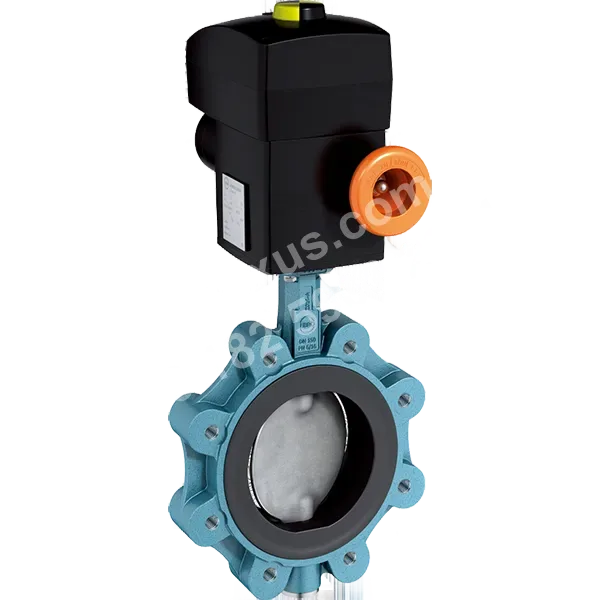
Product image of Z014-A therm lug-type thermometer butterfly valve
EBRO
Z014-A therm Lug-Type Thermometer Butterfly Valve | EBRO
Product code: Z014-A-THERM
Lug-type thermometer butterfly valve for tight shut-off and low-leakage isolation in industrial process fluid piping, with nominal sizes from DN 20 to DN 200.
- Category
- Butterfly Valves
- Nominal size
- DN 20 - DN 200 (DN 20 available in PN 10/16 only)
- Operating temperature range
- -40°C to +200°C (depending on pressure, medium and materials)
Specifications
- Nominal size
- DN 20 - DN 200 (DN 20 available in PN 10/16 only)
- Flange connection standards
- EN 1092 PN 10/16; ASME Class 150; AS 4087 PN 16
- Flange sealing faces
- EN 1092 Form A / B; ASME RF, FF
- Installation connection type
- Lug type
- Face-to-face dimension standards
- EN 558 Series 20; ISO 5752 Series 20; API 609 Table 1
- Top flange standard
- EN ISO 5211
- Tightness class
- EN 12266 Leakage rate A; ISO 5208:2015 Category AA
- Operating temperature range
- -40°C to +200°C (depending on pressure, medium and materials)
- Maximum operating pressure
- Max. 16 bar
Application scenarios
Tight shut-off and low-leakage isolation in industrial process fluid piping
Used for shut-off and isolation of media in industrial process fluid piping. The tightness class complies with EN 12266 Leakage rate A and ISO 5208:2015 Category AA, making it suitable for piping systems that meet the product's pressure, temperature and flange connection requirements.
Selection points
Multi-standard flange and sealing face compatibility
Compatible with EN 1092 PN 10/16, ASME Class 150 and AS 4087 PN 16 flanges, and supports EN 1092 Form A/B as well as ASME RF/FF sealing faces.
Tightness class and temperature-pressure limits
The tightness class complies with EN 12266 Leakage rate A and ISO 5208:2015 Category AA, with a maximum operating pressure of 16 bar; the operating temperature range is -40°C to +200°C, and the actual applicable range must be confirmed according to pressure, medium and materials.
Lug-type installation design
Features a lug-type butterfly valve structure, suitable for piping installations requiring lug-type connection arrangements.
FAQ
What sizes, pressures and temperature ranges does the Z014-A therm lug-type thermometer butterfly valve cover?
The valve covers nominal sizes DN 20 to DN 200, where the DN 20 size is available for PN 10/16 only. The maximum operating pressure is 16 bar; the operating temperature range is -40°C to +200°C, but the actually permissible temperature must be determined based on pressure, medium and valve materials.
Which pipe flange standards can the Z014-A therm be matched with?
The valve features a lug-type installation connection and can be matched with EN 1092 PN 10/16, ASME Class 150 and AS 4087 PN 16 flanges. Applicable flange sealing faces include EN 1092 Form A/B, as well as ASME RF and FF.
Is the face-to-face length of the Z014-A therm convenient for replacing existing butterfly valves?
The valve's face-to-face dimensions comply with EN 558 Series 20, ISO 5752 Series 20 and API 609 Table 1. When designing a replacement or installation, verify that the on-site pipe flange spacing, bore size, pressure rating and sealing face type match the valve specifications.
According to which standards is the tightness of the Z014-A therm evaluated?
The valve's tightness class complies with EN 12266 Leakage rate A and ISO 5208:2015 Category AA, making it suitable for applications with explicit requirements on valve shut-off tightness.
Is the Z014-A therm easy to equip with an actuator?
The valve's top flange complies with the EN ISO 5211 standard and can serve as the reference interface for fitting appropriate valve operator devices. Actual matching should also be confirmed based on the specific valve size, operating torque and service conditions.