

EBRO JT Reject Valve is a low-turbulence, anti-buildup knife gate valve designed specifically for demanding service conditions. The product uses Stafsjö factory standards for face-to-face dimensions and flange connections, with a maximum working pressure of 6 bar and a sealing grade of EN 12266-1:2012 Rate A. Its core design effectively minimizes turbulence, erosive wear, and buildup caused by highly abrasive media, making it well suited for reject separation from high-consistency cleaners in recycled-fiber pulp lines and for discharging abrasive solid waste in biomass processes.
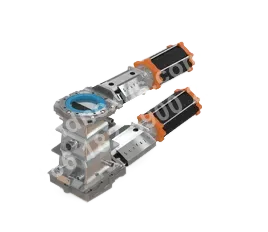
JT Reject Valve Low-Turbulence, Anti-Buildup Knife Gate Valve Product Image
EBRO
JT Reject Valve Low-Turbulence, Anti-Buildup Knife Gate Valve | EBRO
Product code: JT
Knife gate valve for discharging highly abrasive media, used for reject discharge from high-consistency cleaners and biomass waste separation, with nominal sizes DN 100 to DN 150/250.
- Category
- Knife Gate Valves
- Nominal Size
- DN 100 - DN 150/250
- Maximum Working Pressure
- 6 bar
Specifications
- Nominal Size
- DN 100 - DN 150/250
- Face-to-Face Standard
- Stafsjö factory standard
- Connecting Flange
- Stafsjö factory standard
- Sealing Grade
- EN 12266-1:2012 rate A
- Maximum Working Pressure
- 6 bar
Application scenarios
Reject Discharge from High-Consistency Cleaners in Recycled-Fiber Pulp Lines
JT is used for reject separation from high-consistency cleaners in recycled-fiber pulp lines. It handles abrasive solid waste separated from the process medium and adapts to demanding process conditions by reducing turbulence, erosive wear, and buildup caused by solids and waste.
Separation of Abrasive Solid Waste in Biomass Processes
JT is used for separating and discharging abrasive solid waste in biomass-related processes and is suitable for handling solid waste that can cause erosive wear and buildup.
Selection points
Low-Turbulence, Anti-Buildup Design for Highly Abrasive Media
JT Reject Valve is designed to handle highly abrasive media under demanding process conditions and specifically minimizes turbulence, erosive wear, and buildup caused by solids and waste.
FAQ
What media and service conditions is the JT Reject Valve suitable for?
JT Reject Valve is designed to handle highly abrasive media under demanding process conditions, with a focus on reducing the risk of turbulence, erosive wear, and buildup caused by solids and waste during flow.
What is the maximum working pressure of the JT Reject Valve?
The maximum working pressure of the JT Reject Valve is 6 bar. During valve selection, the actual pipeline pressure, media abrasiveness, and process operating conditions should also be verified.
What nominal sizes are available for the JT Reject Valve?
The nominal size range listed for the JT Reject Valve is DN 100 to DN 150/250. The specific size configuration must be confirmed according to the actual model and application conditions.
What is the sealing grade of the JT Reject Valve?
The sealing grade of the JT Reject Valve is EN 12266-1:2012 Rate A.
Which face-to-face and flange connection standards does the JT Reject Valve use?
The JT Reject Valve uses Stafsjö factory standards for both face-to-face dimensions and connecting flanges. When matching it with an existing pipeline, the structural dimensions and connection interface requirements of the actual model should be verified.